Project C
SPA - Alcohol Information

⚠️ Excessive alcohol consumption will harm your health!
Alcohol consumption can have serious consequences for your physical and mental health. This website provides information about various alcoholic beverages for educational purposes only.
Alcohol Content Information
Different alcoholic beverages contain varying amounts of alcohol (ethanol). The percentage indicates the volume of pure alcohol in the beverage:
- Strong spirits: 40% and above
- Fortified wines: 15-20%
- Wines: 9-15%
- Beer: 4-8%
- Low-alcohol beverages: 1-3%
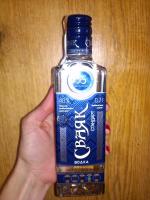
Vodka
Vodka is a clear distilled alcoholic beverage originating from Eastern Europe. It is composed primarily of water and ethanol, sometimes with traces of impurities and flavorings. Traditionally, vodka is made by distilling liquid from fermented cereal grains or potatoes.
Key Characteristics:
Alcohol content: Typically 40% ABV (80 proof), but can range from 35-50%
Origin: Russia, Poland, Sweden
Serving: Typically served neat, chilled, and in a shot glass
Popular cocktails: Bloody Mary, Moscow Mule, Cosmopolitan
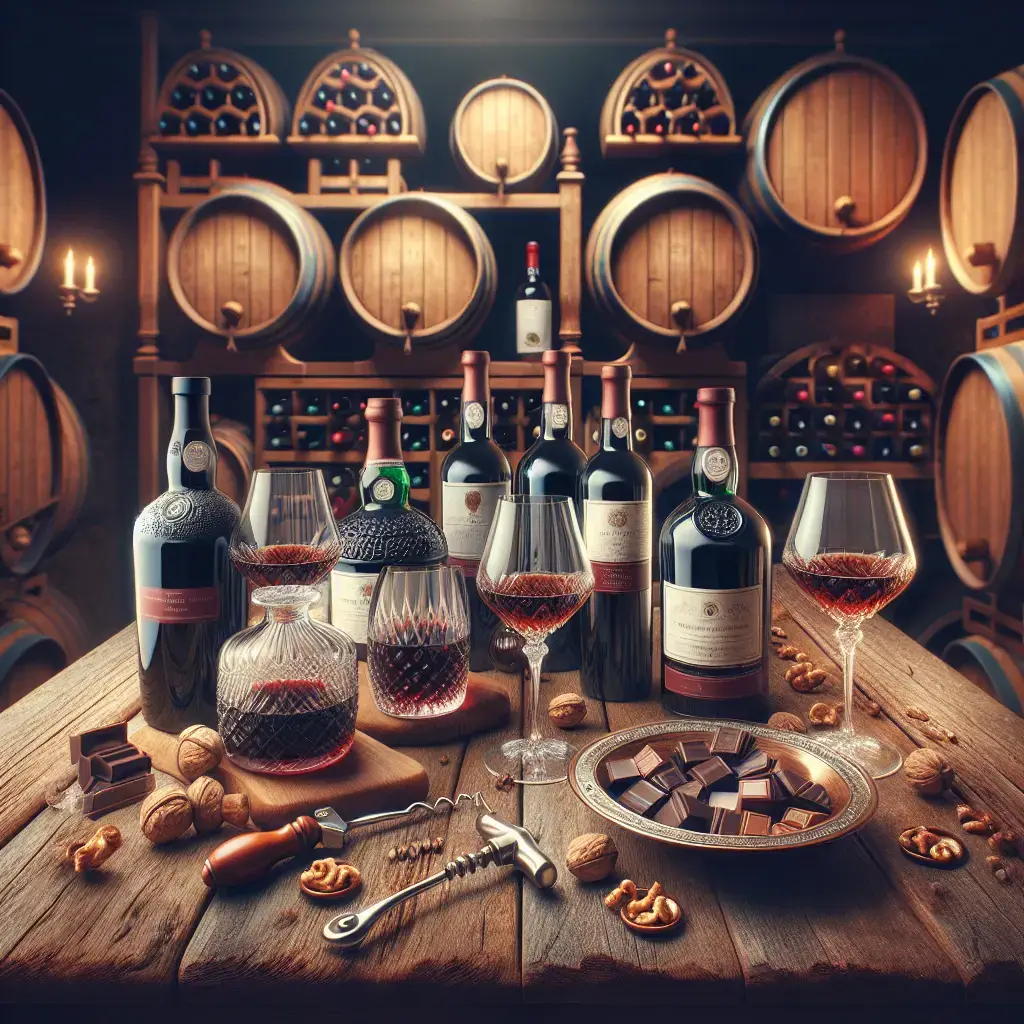
Port Wine
Port wine is a Portuguese fortified wine produced exclusively in the Douro Valley in northern Portugal. It is typically a sweet red wine, often served as a dessert wine, though it also comes in dry, semi-dry, and white varieties.
Key Characteristics:
Alcohol content: 19-22% ABV (fortified with brandy)
Origin: Douro Valley, Portugal
Types: Ruby, Tawny, Vintage, Late Bottled Vintage (LBV), White
Serving: Served slightly chilled in a port glass or wine glass
Pairing: Cheese, chocolate, nuts, dried fruits
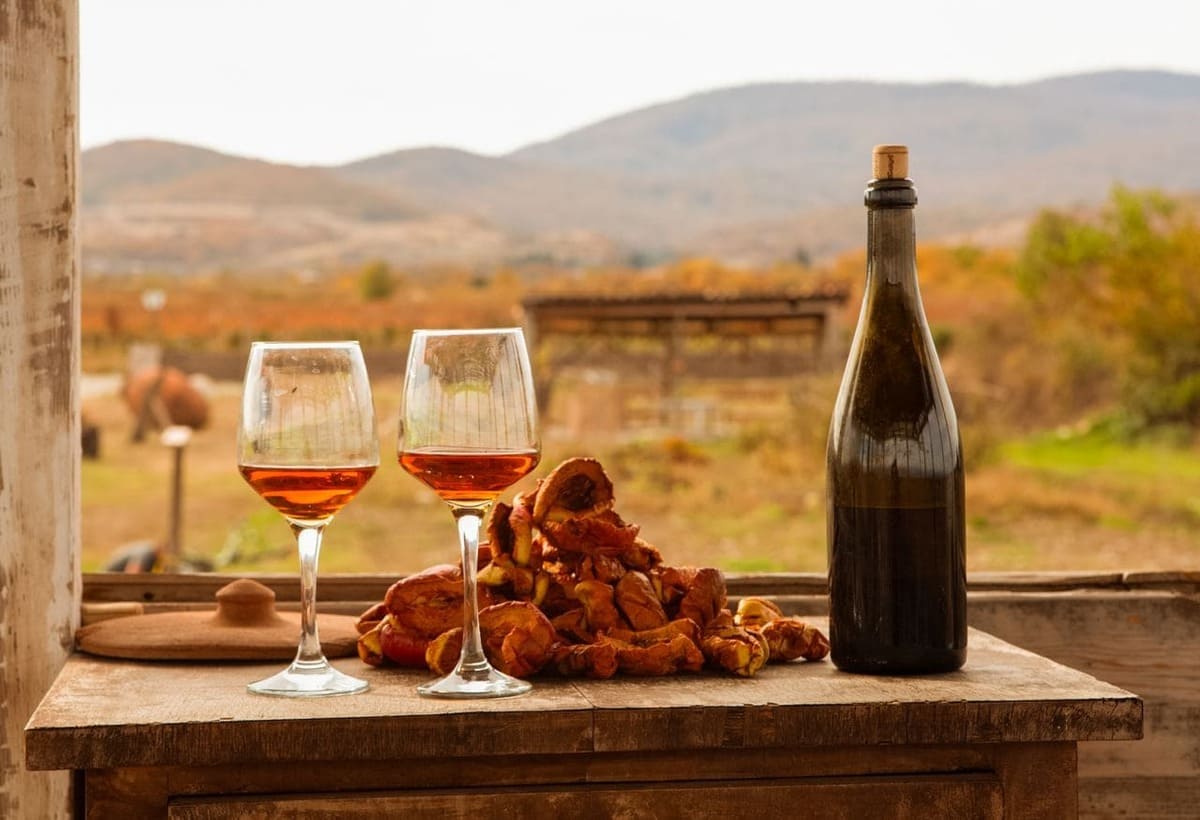
Dry Wine
Dry wine refers to wine with little to no residual sugar, meaning the yeast has converted almost all the sugar into alcohol during fermentation. Dry wines can be red, white, or rosé and are characterized by their crisp, non-sweet taste.
Key Characteristics:
Alcohol content: 11-14% ABV typically
Residual sugar: Less than 10 grams per liter
Popular varieties: Cabernet Sauvignon, Chardonnay, Sauvignon Blanc, Pinot Noir
Serving: Served at various temperatures depending on type
Pairing: Versatile with many foods including meats, pasta, vegetables
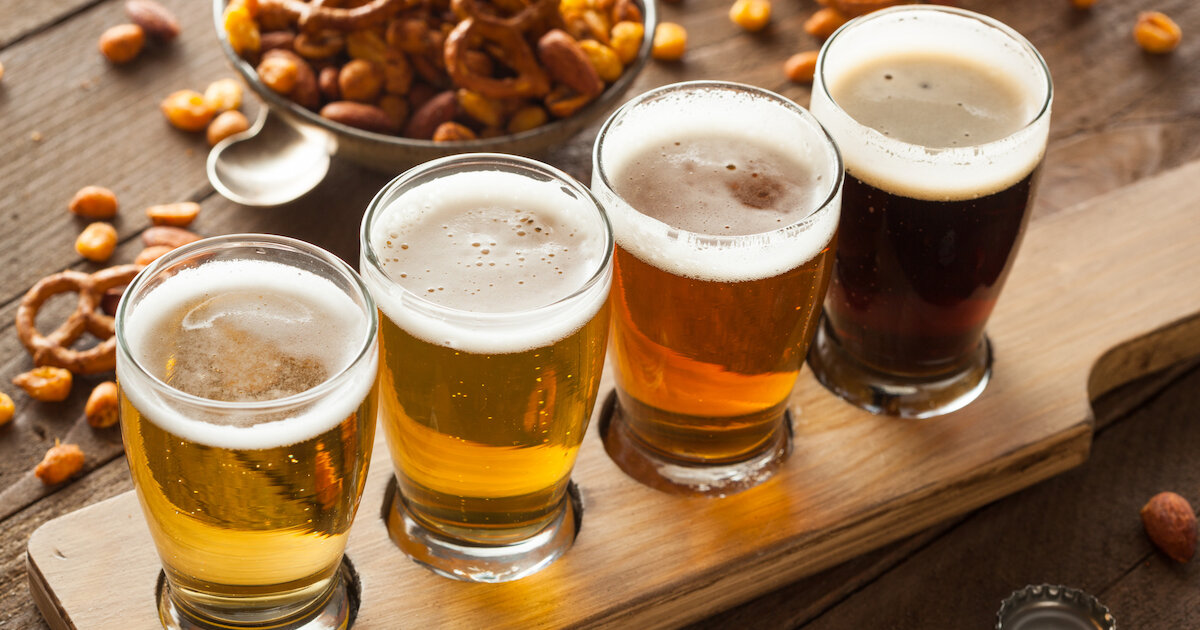
Beer
Beer is one of the oldest and most widely consumed alcoholic drinks in the world, and the third most popular drink overall after water and tea. Beer is brewed from cereal grains—most commonly malted barley, though wheat, maize, and rice are also used.
Key Characteristics:
Alcohol content: Typically 4-6% ABV, but varies widely
Main types: Lager, Ale, Stout, Porter, Pilsner
Serving temperature: 3-13°C depending on style
Glassware: Pint glass, Pilsner glass, Mug, Tulip glass
Ingredients: Water, malted barley, hops, yeast
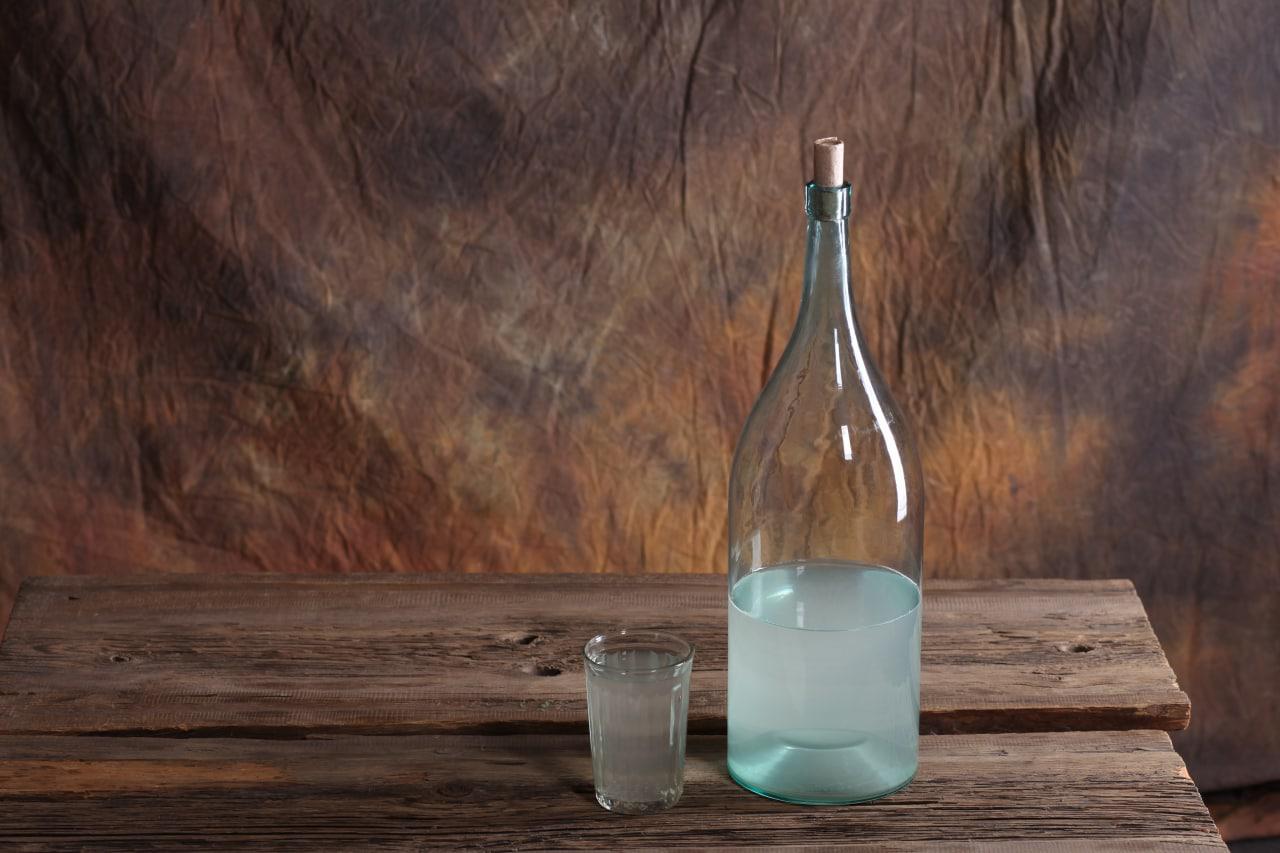
Samogon
Samogon is a traditional Slavic homemade distilled spirit, similar to moonshine. It is typically made from sugar, grains, potatoes, or fruits. The quality and safety of samogon can vary significantly depending on the distillation process and equipment used.
Key Characteristics:
Alcohol content: 40-80% ABV, varies greatly
Origin: Eastern Europe (Russia, Ukraine, Belarus)
Traditional use: Homemade celebrations, traditional medicine
Warning: Improperly distilled samogon may contain harmful methanol and fusel oils
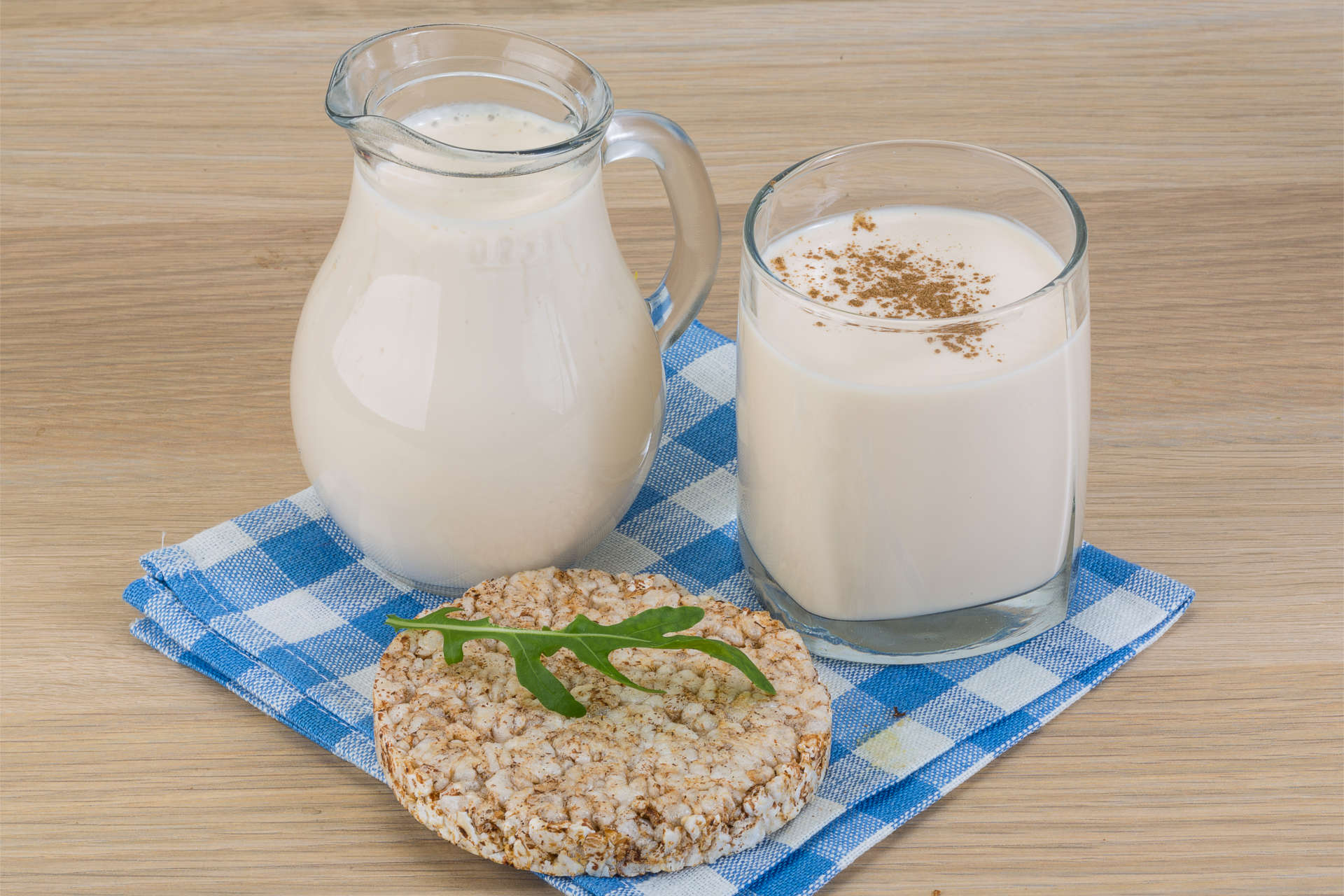
Kefir
Kefir is a fermented milk drink similar to a thin yogurt that originated in the Caucasus region. It is made by inoculating cow, goat, or sheep milk with kefir grains, which are a symbiotic culture of bacteria and yeast. Kefir has a tart, creamy taste and contains probiotics.
Key Characteristics:
Alcohol content: 0.5-2% ABV (naturally occurring from fermentation)
Origin: Caucasus Mountains
Health benefits: Probiotics, improved digestion, nutrient absorption
Consistency: Drinkable, slightly carbonated
Varieties: Milk kefir, water kefir, coconut kefir
Note: While kefir contains trace amounts of alcohol from natural fermentation, it is generally not considered an alcoholic beverage and is safe for most people, including children (in moderation).